
Safeguarding Policy
1. Introduction
1.1 This Inner Voice Music Therapy & Coaching (“we” or “our Practice”) is a sole trading company offering the following services:
Music Therapy 1-2-1 and group sessions with adults and children
Music Therapy workshops for children and adults
Clinical supervision and professional consultations for therapists, counsellors and staff in educational settings
1.2 Our Practice is based at:
31 Sunningwell Village
Abingdon
Oxfordshire
OX13 6RD
2. Purpose of the Policy
2.1 In this policy, the term children refers to any person under 18 years of age.
This policy is written in accordance with:
Working Together to Safeguard Children (2018)
Children Act 1989
Children Act 2004
Children and Social Work Act 2017
UK GDPR
Data Protection Act 2018
2.2 Our Practice is committed to the protection of children. This policy sets out the overarching principles guiding our approach to safeguarding and child protection.
3. The Risks to Children
Children can be vulnerable to different forms of abuse and harm. We recognise that safeguarding concerns may include, but are not limited to:
Bullying and cyberbullying
Child sexual exploitation
Child trafficking
Criminal exploitation and gangs
Domestic abuse
Emotional abuse
Female genital mutilation
Grooming
Neglect
Non-recent abuse
Online abuse
Physical abuse
Sexual abuse
4. Professional Responsibilities Before Client Contact
4.1 HCPC Registration
All therapists working on behalf of our Practice are Health and Care Professions Council (HCPC) registered Arts Therapists. Registration can be verified via the HCPC register.
Therapists must comply with HCPC professional standards and inform clients if their registration status changes.
4.2 Safeguarding & DBS
All therapists must:
Have completed Safeguarding Children Level 3 training
Hold a clear Enhanced DBS check for children and adults
4.3 Removal Due to Safeguarding Concerns
Where necessary, and where safeguarding concerns warrant it, we are obligated to make a referral to the Disclosure and Barring Service (DBS) and the Local Authority Designated Officer (LADO).
4.4 Work in Other Organisations
Therapists delivering services within schools, charities, supported residential homes or other organisations must familiarise themselves with that organisation’s safeguarding policy prior to client contact.
4.5 Internal Policy & Procedure
All therapists receive a copy of this Safeguarding Policy and our internal safeguarding procedures. Staff must familiarise themselves with both prior to client contact.
4.6 Risk Assessment
A risk assessment form must be completed with parents, legal guardians or staff on site before the client’s first session.
4.7 Confidentiality & Duty to Share
Parents, guardians and relevant staff are informed that:
Sessions are confidential
However, we have a duty to share relevant information with other professionals if there is a safeguarding concern
5. Professional Responsibilities During Sessions
5.1 Therapists will explain the confidential nature of sessions and the duty to share safeguarding concerns in the first session.
5.2 Therapists will check therapy rooms before each session to minimise risk of physical or accidental harm.
5.3 Therapists will challenge inappropriate or harmful behaviour by other adults and report concerns appropriately.
5.4 Therapists will remain present for the entirety of sessions. If they must leave the room, another adult must accompany the child.
5.5 Therapists will ensure materials used are age-appropriate and free from inappropriate imagery or language.
5.6 Data Storage
All personal information and clinical notes are stored in accordance with our Privacy Policy.
Clinical notes are confidential except where there is a safeguarding concern.
6. Responsibilities in Case of a Safeguarding Concern
Safeguarding concerns may arise:
During Sessions
Through therapist observation
Through communication with parents, guardians or staff
6.1 Immediate Danger
If a child is exposed to imminent danger or expresses active suicidal or self-harming ideation, the therapist will call 999.
6.2 Safeguarding Concerns in Schools or Organisations
The therapist will secure the child’s safety and call for help if appropriate.
The therapist will remind the child of the duty to share information.
Where clinically appropriate, a safety plan will be created.
The therapist will inform the Designated Safeguarding Lead (DSL) within one hour.
A safeguarding report will be completed in line with that organisation’s policy.
Parents or legal guardians will be informed at the earliest opportunity.
6.3 Safeguarding Concerns in Family Homes
If a concern arises during sessions at a family home:
The therapist will secure the child’s safety and call for help if appropriate.
A safety plan may be completed where clinically appropriate.
Parents will be reminded of our duty to share safeguarding information.
The therapist will inform the Practice DSL within one hour.
A safeguarding report will be submitted to the relevant local authority’s Multi-Agency Safeguarding Hub (MASH).
6.4 Safeguarding Reports Must Include:
When and where the incident occurred
Who was involved
An objective account of events
Immediate actions taken
Planned next steps to safeguard the child
6.5 Allegations Against Adults
If a safeguarding concern relates to an adult working with children:
A referral will be made to the Local Authority Designated Officer (LADO).
If the concern relates to a member of Practice staff:
The concern will be raised with the Practice DSL.
If the DSL is implicated, the concern will be raised with the Service Manager or directly with the relevant LADO.
7. Responsibilities of Parents and Other Adults
7.1 Parents, legal guardians and adults on site must acknowledge their legal responsibility to safeguard children.
7.2 Risk Assessment Honesty
Parents, guardians or staff must complete the risk assessment honestly and fully.
Failure to disclose safeguarding history may impact clinical decision-making. The Practice cannot be held liable for harm resulting from withheld safeguarding information.
7.3 Consent
Parents and legal guardians must sign a consent form confirming:
They have read this Safeguarding Policy
They consent to liaison with other professionals
They indicate consent regarding video recordings for supervision or educational purposes
Signed by:
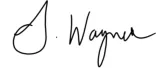
Serenna Wagner
Job title: Service manager at This Inner Voice Music Therapy & Coaching
Date: 1st May 2023
FREE DOWNLOAD
Headline that hooks people in, gets them excited and makes them want to sign up.

FOLLOW US


QUICK LINKS
LEGAL
Copyright 2026. TIV .
All Rights Reserved.
01865 818938
Website built by Creative Tech Solutions
Photography, video and audio by Paul Martin, Pictures Inc. Ltd
Logo by Denise Fishburn, Ginger Fish Design